Call us now :07315121958
 Send Inquiry
 Send Inquiry
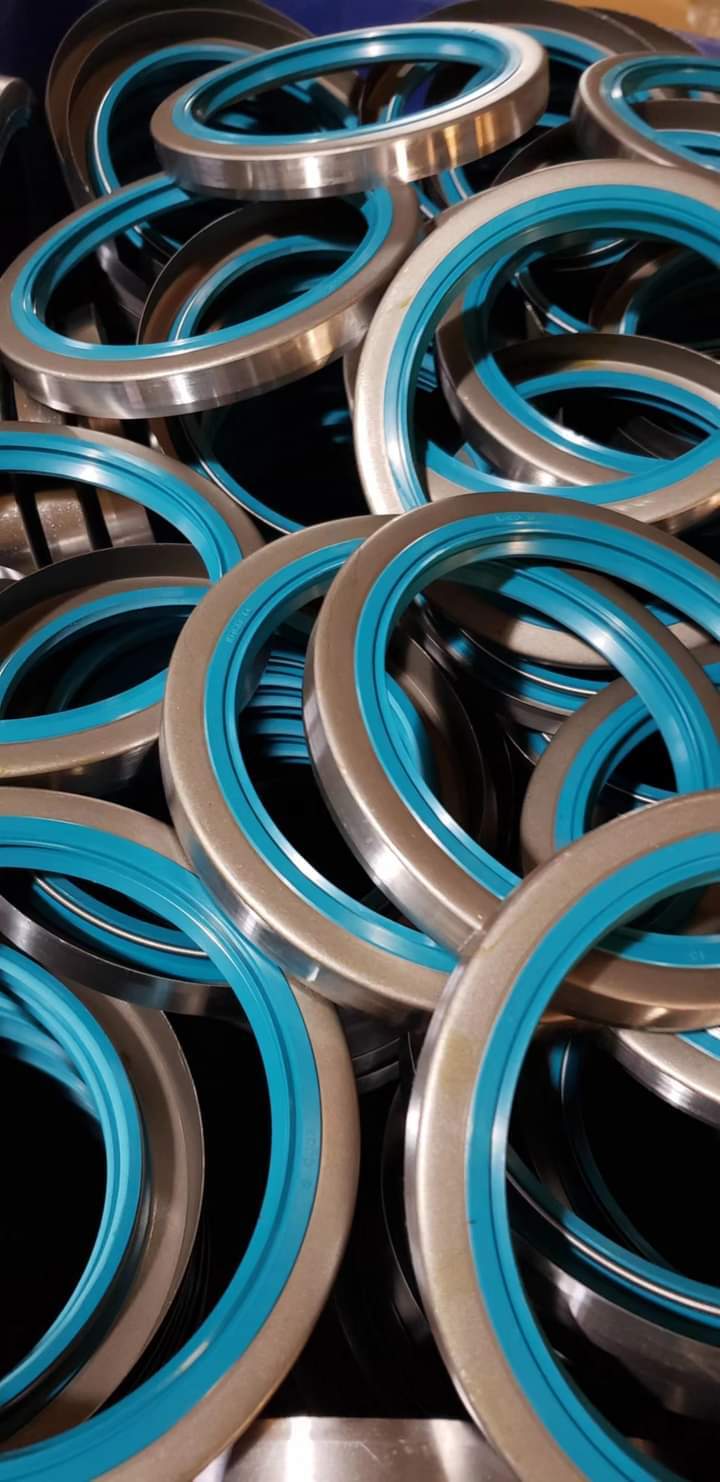
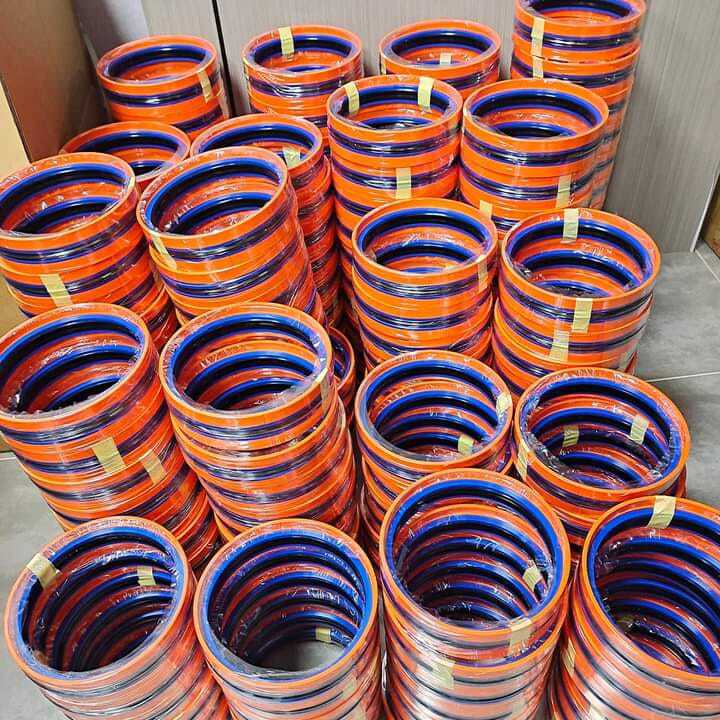
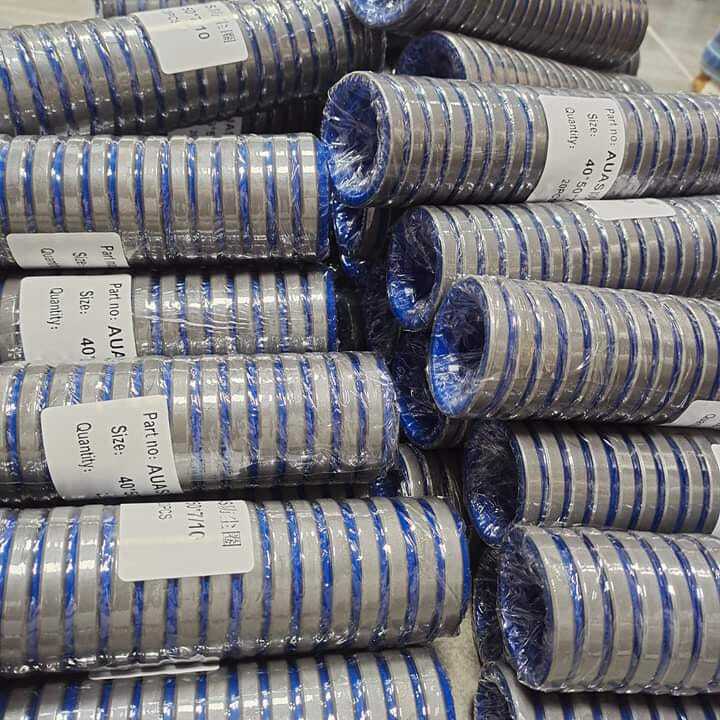
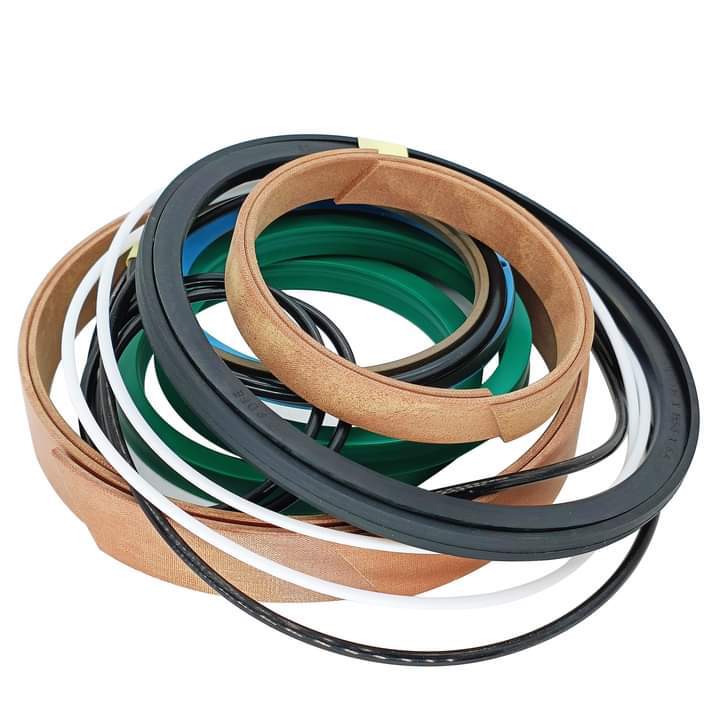
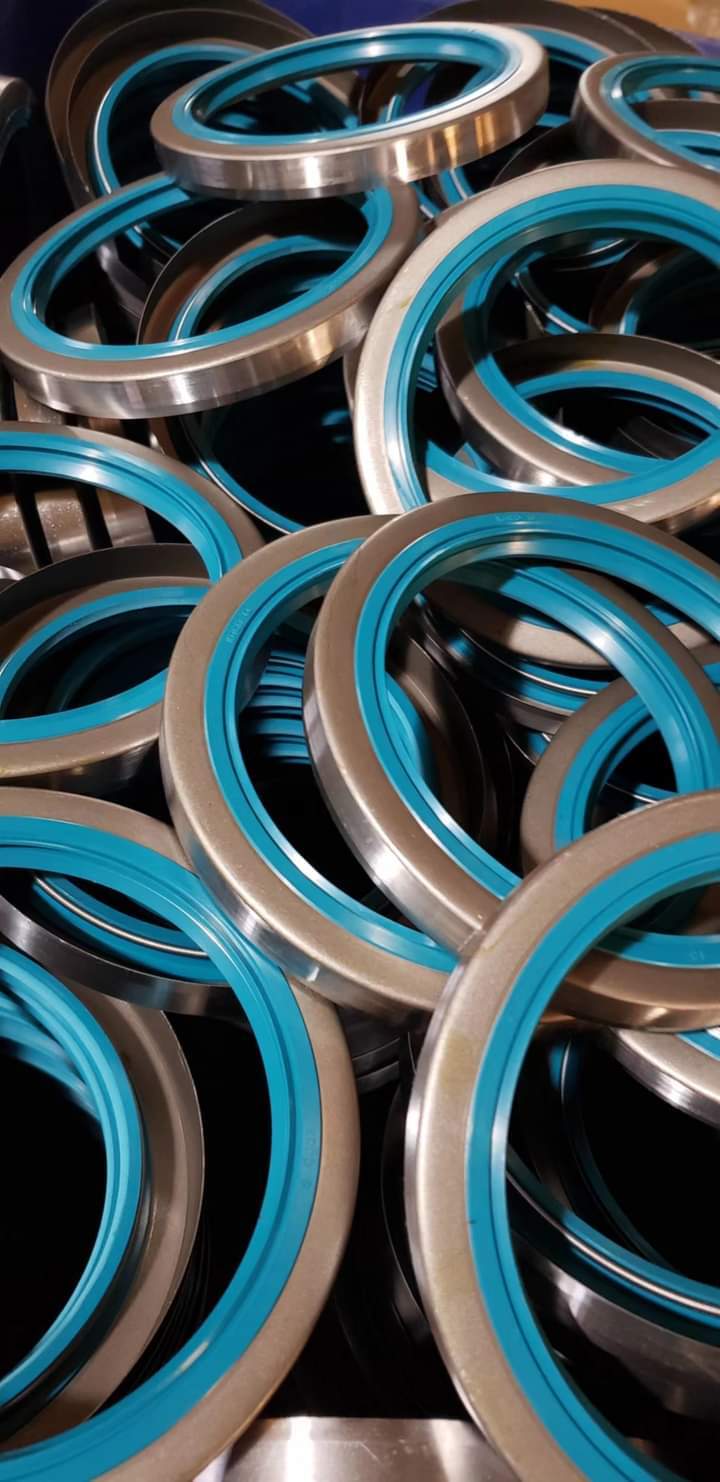
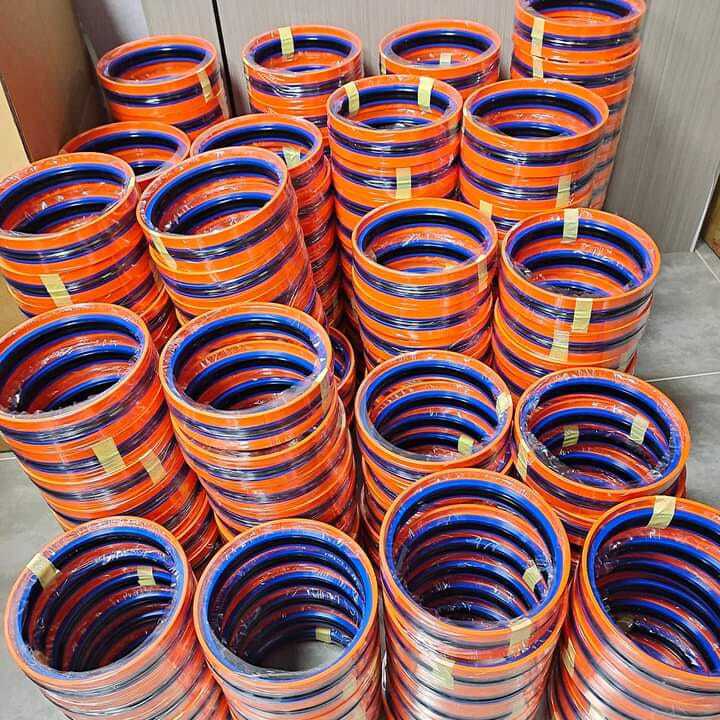
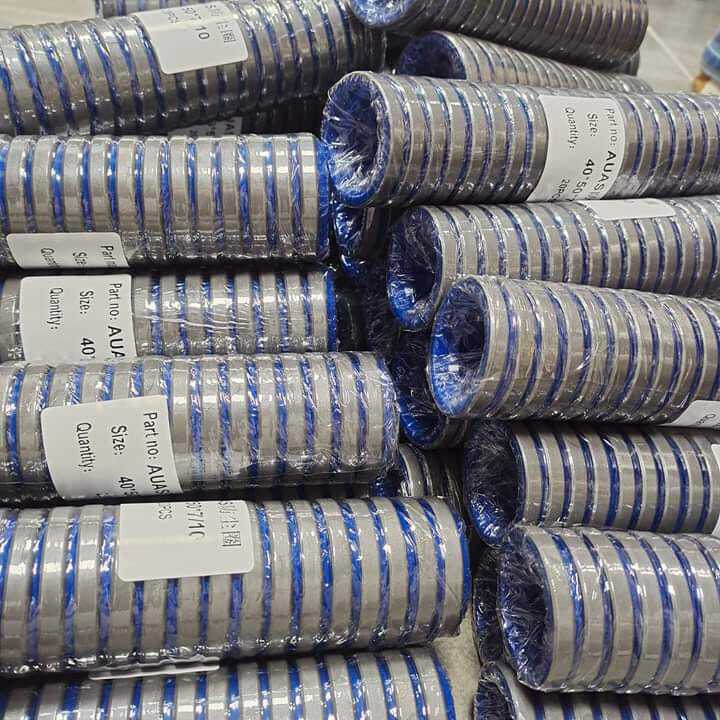
HYDRAULIC SEALS
MOQ : 100 Pieces
HYDRAULIC SEALS Specification
- Feature
- Wear resistant, high sealing efficiency, oil and abrasion resistant
- Hardness
- 70-90 Shore A
- Tolerance
- 0.05 mm
- Material
- PU, NBR, PTFE, Rubber
- Style
- Hydraulic
- Shape
- Round
- Product Type
- seal
- Color
- All
- Temperature
- -30C to +200C
- Application
- Hydraulic cylinders, pumps, valves
- Installation Type
- Press fit
- Tear Strength
- 25-45 kN/m
- Standard
- ISO 6194
- Compatibility
- Compatible with mineral oil, synthetic fluids, water glycol
- Packing Type
- Packet/Box
- Pressure Resistance
- Up to 40 MPa
- Elongation at Break
- 200-400%
HYDRAULIC SEALS Trade Information
- Minimum Order Quantity
- 100 Pieces
- Supply Ability
- 1000 Pieces Per Week
- Delivery Time
- 1 Week
- Packaging Details
- As per requirement
About HYDRAULIC SEALS
Product Description
Our Hydraulic Seals are engineered from high-performance rubber, polyurethane, and PTFE materials to ensure leak-proof performance, wear resistance, and durability in high-pressure hydraulic systems. Designed to withstand extreme conditions of pressure, temperature, and fluid compatibility, these seals provide smooth operation and extended service life.
Widely used in hydraulic cylinders, pumps, valves, and heavy machinery, our seals effectively prevent leakage of hydraulic fluid, contamination entry, and system breakdowns. With customizable sizes and profiles, they deliver superior reliability for industries like construction, mining, agriculture, steel, and automotive.
Key Features & Benefits
-
High-Quality Material NBR, Viton, Polyurethane, PTFE, and other premium elastomers
-
Excellent Pressure Resistance Withstands extreme hydraulic loads without deformation
-
Leak-Proof Performance Prevents fluid leakage and contamination
-
Temperature & Chemical Resistant Reliable in varied hydraulic oils & fluids
-
Long Service Life Enhanced wear resistance for continuous heavy-duty use
-
Versatile Applications Hydraulic cylinders, pumps, presses, valves, and machinery
-
Custom Sizes & Designs Available Tailored for specific industry needs
Product Specifications
-
Product Type: Hydraulic Seal / Hydraulic Cylinder Seal
-
Material: NBR, Viton, Polyurethane, PTFE, Silicone, or customized
-
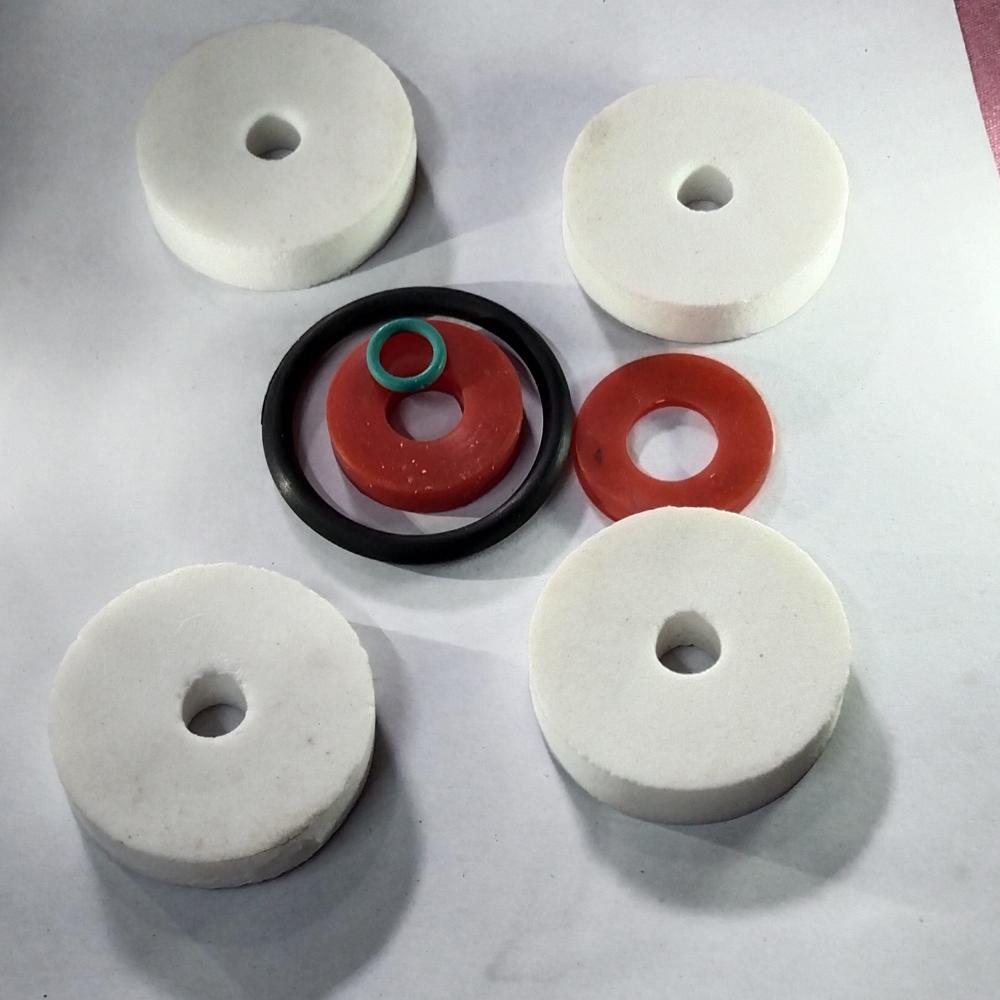
Shape: O-Ring, U-Cup, Wiper, Rod Seal, Piston Seal, Customized profiles
-
Color: Black, Blue, Green, Brown, Transparent, or as per requirement
-
Temperature Range: 40C to +250C (depending on material)
-
Pressure Range: Up to 700 bar (varies by design)
-
Applications: Hydraulic cylinders, pumps, valves, presses, construction machinery, mining equipment, agricultural machines, steel industry
Superior Pressure Resistance
Engineered for challenging hydraulic applications, these seals confidently withstand pressures up to 40 MPa. Their robust construction ensures reliable sealing performance, minimizing leakage risks and maintaining system integrity throughout demanding operations.
Exceptional Material Quality
Hydraulic seals are made with advanced polymers such as PU, NBR, PTFE, and Rubber, each selected for their distinct properties. This results in a product that excels in elongation, tear strength, and hardness, delivering superior durability and adaptability for various fluid types and thermal conditions.
Precision and Compliance
Conforming to ISO 6194 standards and tolerances of 0.05 mm, every seal guarantees accurate fit and performance. The press fit installation makes integration straightforward while ensuring the seal stays secure during operation. These features enhance long-term reliability in your hydraulic equipment.
FAQs of HYDRAULIC SEALS:
Q: How are hydraulic seals installed in hydraulic systems?
A: Hydraulic seals with a press fit installation are designed for easy and secure placement. They are pressed directly into grooves or housings within hydraulic cylinders, pumps, or valves, ensuring a tight seal without requiring specialized tools.Q: What types of fluids are these hydraulic seals compatible with?
A: These seals are compatible with mineral oil, synthetic fluids, and water glycol, making them suitable for a broad range of hydraulic applications. This compatibility helps maintain optimal sealing efficiency and prevents deterioration over time.Q: When should hydraulic seals be replaced in equipment?
A: It is recommended to replace hydraulic seals when signs of wear become evident, such as leakage, loss of sealing efficiency, or noticeable abrasion. Regular maintenance checks can help identify seal deterioration so you can ensure component longevity.Q: Where are these hydraulic seals typically used?
A: Hydraulic seals are commonly utilized in hydraulic cylinders, pumps, and valves found in industrial equipment, construction machinery, and heavy-duty vehicles. Their robust performance makes them ideal for high-pressure hydraulic systems.Q: What process is used to manufacture these hydraulic seals?
A: These seals are produced using precision molding techniques that adhere to ISO 6194 standards. The process involves carefully selecting materials like PU, NBR, PTFE, or Rubber, followed by stringent quality checks to ensure dimensional accuracy and optimal physical properties.Q: How does the high tear strength and elongation benefit hydraulic systems?
A: High tear strength (25-45 kN/m) and elongation at break (200-400%) provide excellent resistance to wear and mechanical stress. This ensures that the seals can sustain prolonged usage in dynamic conditions without failing, reducing downtime and maintenance costs.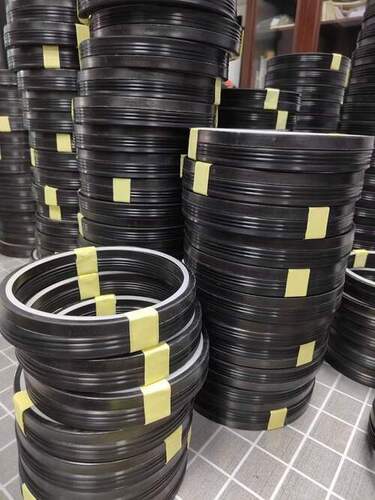
Tell us about your requirement

Price:
Quantity
Select Unit
- 50
- 100
- 200
- 250
- 500
- 1000+
Additional detail
Mobile number
Email


 Send Inquiry
Our Products
- Rubber Diaphragms
- Rubber Caps
- RUBBER GASKETS
- Silicon Gasket
- Rubber Strips
- Rubber Pads
- Rubber Bush
- Cylinder Kit
- Foam Washer
- Plastic Bush
- Moulded Silicon Tube
- OIL SEALS
- Industrial Gasket
- Plastic Funnels
- JCB SEAL KIT
- Rubber Mounting Pads
- Plastic Caps
- Hydraulic Seals
- PTFE Products
- Extruded Rubber Products
- Plastic Products
- Silicon washers

Basudevpur, Belkulai, P/S Uluberia Dist- Howrah,Panchla - 711322, West Bengal, India

Mr. Hem Chandra Banerjee
(Proprietor)
Mobile :07315121958
 Send Inquiry
 Send SMS
Developed and Managed by Infocom Network Private Limited.
