Call us now :07315121958
 Send Inquiry
 Send Inquiry
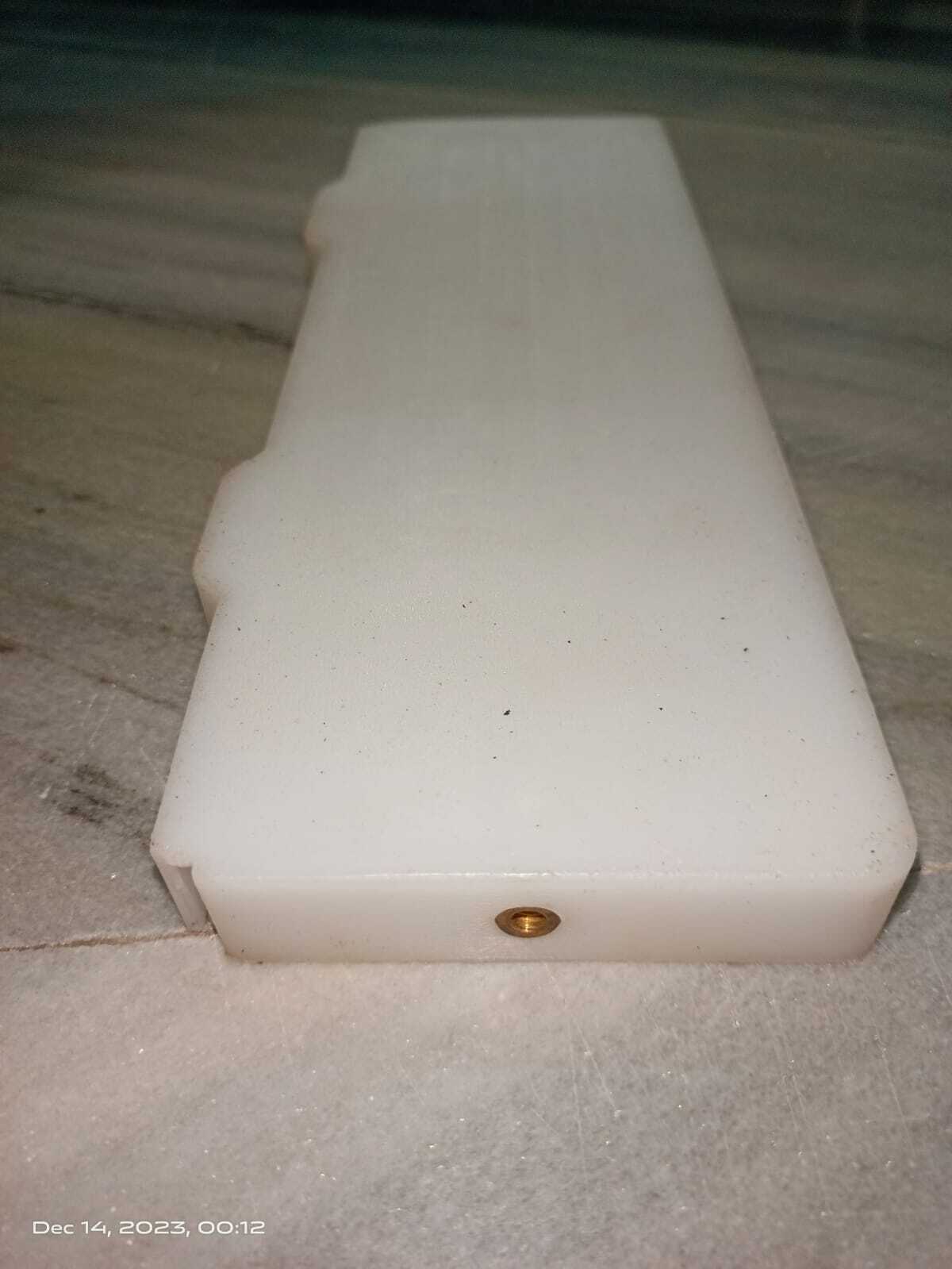
PLASTIC BUFFERS
MOQ : 200 Pieces
PLASTIC BUFFERS Specification
- Type
- Buffer/Stopper
- Material
- Plastic
- Load Capacity
- High (varies by model)
- Speed
- Suitable for standard to high-speed applications
- Temperature
- -20C to +60C (approx.)
- Hardness
- Shore D 65-75
- Tolerance
- 0.1 mm
- Finish
- Smooth molded finish
- Lubricating
- Self-lubricating properties
- Mounting
- Bolt-on, Push-fit, Screw-on
- Maintenance
- Low maintenance, easy to replace
- Shape
- Round, Square, or Custom shapes
- Leak Protection
- Application
- Machinery, railing ends, gates, industrial equipment
- Impact Resistance
- Excellent
- Color
- Black or custom as required
- UV Resistance
- Good for outdoor use
PLASTIC BUFFERS Trade Information
- Minimum Order Quantity
- 200 Pieces
- Payment Terms
- Cash in Advance (CID)
- Supply Ability
- 200 Pieces Per Week
- Delivery Time
- 1 Week
- Sample Available
- Yes
- Sample Policy
- If order is confirmed we will reimburse the sample cost
- Main Domestic Market
- All India
About PLASTIC BUFFERS
Plastic buffers are mechanical components typically made from materials like nylon, polyurethane, or other durable plastics. They are designed to absorb energy, reduce vibration, dampen noise, and provide cushioning in various applications. Plastic buffers are commonly used in machinery, automotive systems, furniture, and household appliances to protect surfaces from damage caused by impact or friction. These buffers come in various shapes and sizes, such as cylindrical, conical, or flat, and are often installed at contact points between moving parts or between the object and its supporting surface. They offer advantages such as corrosion resistance, lightweight, and versatility in design, making them suitable for a wide range of industrial and consumer applications.Versatile Shapes and Mounting Options
Our plastic buffers are available in standard shapes like round and square, as well as custom designs to fit specific requirements. Multiple mounting methodsbolt-on, push-fit, and screw-onprovide simple installation across diverse applications, from machinery to industrial gating and railing ends.
Premium Impact Resistance and Load Capacity
Engineered for demanding environments, these buffers excel in absorbing impact and withstanding substantial loads. Their high durability ensures operational safety, reduces risk of damage, and extends the lifespan of both the buffer and the equipment they protect.
Designed for Easy Maintenance and Longevity
Plastic buffers are built for low maintenance and quick replacements. Thanks to their smooth finish and self-lubricating properties, they minimize wear and resist environmental elements, making them ideal for both indoor installations and outdoor exposure.
FAQs of PLASTIC BUFFERS:
Q: How can I choose the right shape and mounting type for my application?
A: Select the shaperound, square, or custombased on the contact area and specific equipment requirements. For mounting, choose between bolt-on, push-fit, or screw-on options according to installation preferences and the nature of the surface on which the buffer will be used.Q: What are the typical usage areas for these plastic buffers?
A: These plastic buffers are commonly applied in machinery, railing ends, gates, and various forms of industrial equipment. Their robust impact resistance makes them suitable for high-traffic or high-load environments that require protection against shocks, wear, or accidental collision.Q: When should plastic buffers be replaced?
A: Plastic buffers should be replaced if there are visible signs of wear, deformation, or if their impact protection capabilities are compromised. Their low maintenance design allows for easy and quick replacement, minimizing downtime.Q: Where are the plastic buffers manufactured and supplied?
A: These plastic buffers are manufactured and supplied in India, with customization options available to accommodate a wide range of industrial and commercial requirements.Q: What is the benefit of self-lubricating properties in these buffers?
A: The self-lubricating characteristics reduce friction between the buffer and other components, enhancing operational smoothness, lowering maintenance needs, and extending the service life of both the buffer and the equipment.Q: How do plastic buffers perform in outdoor environments?
A: With good UV resistance and a working temperature range from -20C to +60C, these buffers remain effective outdoors, providing reliable protection and maintaining their structural integrity against weather and sunlight exposure.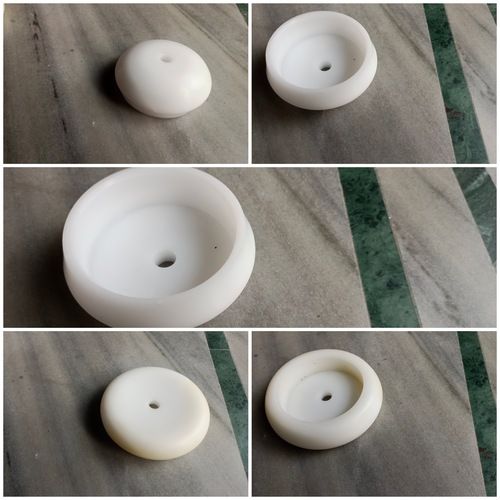
Tell us about your requirement

Price:
Quantity
Select Unit
- 50
- 100
- 200
- 250
- 500
- 1000+
Additional detail
Mobile number
Email

More Products in Plastic Bush Category
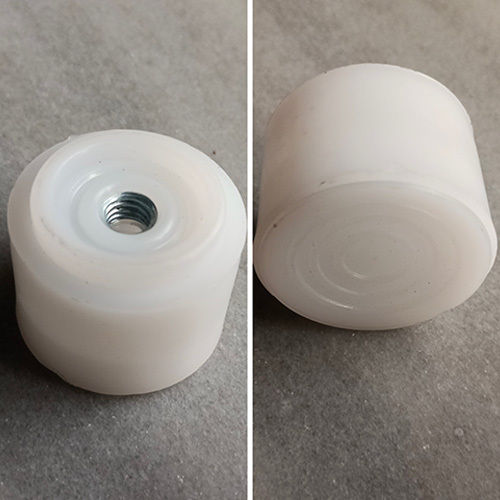
Metal Moulded Plastic Bush
Price 21 INR / Piece
Minimum Order Quantity : 100 Pieces
Product Type : Metal Moulded Plastic Bush
Size : As per requirement
Usage : Industrial
Hardness : Rigid

Nylon Bush
Price 69 INR / Piece
Minimum Order Quantity : 100 Pieces
Product Type : Gear Coupling Bush
Size : Different Available
Usage : Industrial
Hardness : Rigid
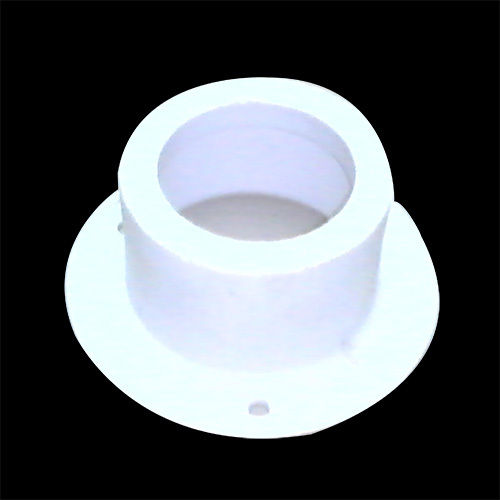
Pbt Plastic Bush
Price 37 INR / Piece
Minimum Order Quantity : 1000 Pieces
Product Type : Pbt Plastic Bush
Size : As per requirement
Usage : Industrial
Hardness : Rigid
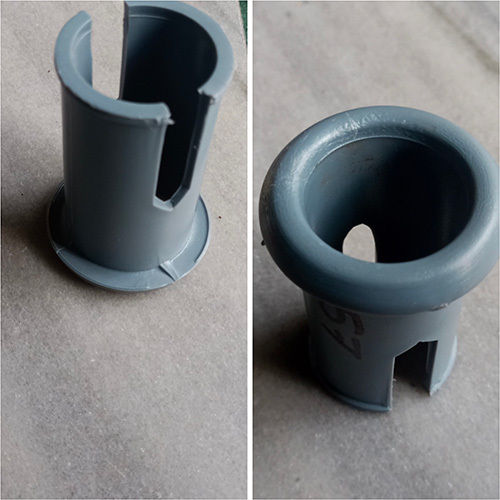
Plastic Channel Bush
Price 14 INR / Piece
Minimum Order Quantity : 500 Pieces
Product Type : Plastic Channel Bush
Size : As per requirement
Usage : Industrial
Hardness : Rigid

 Send Inquiry
Our Products
- Rubber Diaphragms
- Rubber Caps
- RUBBER GASKETS
- Silicon Gasket
- Rubber Strips
- Rubber Pads
- Rubber Bush
- Cylinder Kit
- Foam Washer
- Plastic Bush
- Moulded Silicon Tube
- OIL SEALS
- Industrial Gasket
- Plastic Funnels
- JCB SEAL KIT
- Rubber Mounting Pads
- Plastic Caps
- Hydraulic Seals
- PTFE Products
- Extruded Rubber Products
- Plastic Products
- Silicon washers

Basudevpur, Belkulai, P/S Uluberia Dist- Howrah,Panchla - 711322, West Bengal, India

Mr. Hem Chandra Banerjee
(Proprietor)
Mobile :07315121958
 Send Inquiry
 Send SMS
Developed and Managed by Infocom Network Private Limited.
